
Rye Harbour Wartime Defences, East Sussex
Features
Description
Rye Harbour Wartime Defences represent an extraordinary collection of military structures spanning from the Napoleonic Wars through World War II, scattered across one of England’s most important nature reserves.
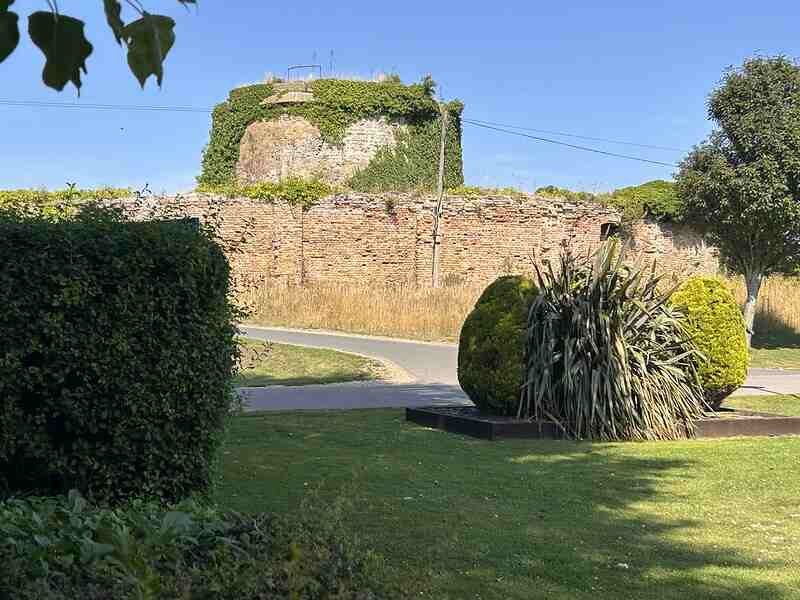
The concrete pillboxes built in 1940 to house Vickers machine guns covering Camber Sands and Winchelsea Beach stand alongside Martello Tower No. 28 (the Enchantress Tower), constructed 1805-1808 to meet Napoleon’s invasion threat. These historic defences, now integrated within Rye Harbour Nature Reserve managed by Sussex Wildlife Trust, provide tangible connections to Britain’s coastal defence history while supporting internationally important wildlife habitats.
The strategic defensive importance of Rye Harbour stemmed from its position at the mouth of the River Rother, guarding approaches to the ancient Cinque Port of Rye and controlling access to vulnerable Romney Marsh beaches. The declaration of war in 1939 created desperate urgency to protect the UK’s exposed southeastern coastline.
The concrete pillboxes at the river mouth were constructed in 1940 within days, designed as Type 22 hexagonal structures housing Vickers machine gun teams covering the low-lying beach of Camber Sands westward toward Winchelsea Beach. These positions formed part of the extensive GHQ Stop Line defending against German invasion, with interlocking fields of fire creating formidable obstacles for landing forces.
World War II defensive preparations transformed Rye Harbour into a heavily fortified sector. Multiple pillboxes positioned at strategic points across the marsh and shoreline created comprehensive coverage, with concrete gun emplacements featuring loophole slits resembling post box letter slots – hence the name ‘pillboxes’ as shortening of ‘pillar boxes.’
Inside, Vickers machine guns mounted on concrete tables with tripod legs fitting into purpose-built depressions provided devastating firepower. The pillboxes formed part of coordinated defensive localities designed for all-round defence within barbed wire perimeters, fitting into broader schemes with neighboring positions.
By April 1941, after only eight months operational use, the pillboxes were abandoned as the defence line moved inland following strategic reassessment. This brief frontline service reflected rapid evolution of British invasion defence thinking as resources improved and mobile reserves became available.
Many pillboxes were subsequently demolished or succumbed to elements, but 2018 saw volunteers from Rye Harbour Nature Reserve and Sussex Military History Society clean out and preserve a pillbox at the river mouth, transforming it into an accessible historical exhibit. In August 2019, military historian Peter Hibbs staged an intriguing exhibition inside the restored pillbox, displaying a period-correct Vickers machine gun overlooking Camber Sands exactly as wartime defenders would have positioned it.
Martello Tower No. 28 represents earlier defensive technology predating concrete pillboxes by 135 years. Built 1805-1808 as one of 103 towers defending Britain’s vulnerable southern coast against Napoleonic invasion, this circular brick structure with distinctive raised entrance and walled moat demonstrates how coastal defence evolved across centuries.
The tower originally mounted large cannons on its roof capable of firing lead balls one mile out to sea. Tower No. 28 marks the 1808 coastline – all marshland south of it represents new land created by storms pushing shingle ridges and saltmarsh developing behind them over two centuries.
Post-Napoleonic use saw coastguards stationed at Rye Harbour 1834-1861 watching for smugglers, as the lucrative smuggling trade intensified following war’s end. During World War II, the tower became an observation post with an Ordnance Survey tertiary trig point installed on its roof, demonstrating how old fortifications adapted to new military requirements. Today the tower stands beside the nature reserve car park, providing historical context for visitors exploring the marshlands.
The integration of military heritage within Rye Harbour Nature Reserve creates unique opportunities experiencing history alongside internationally significant wildlife. Walking tarmac paths suitable for wheelchairs and pushchairs, visitors encounter pillboxes beside bird hides, exploring both WWII defensive structures and habitats supporting over 4,300 species.
The Discovery Centre, opened May 2021, features exhibitions about the reserve’s wildlife and history, including displays covering wartime defensive preparations that transformed peaceful marshland into militarised invasion coast.
Educational interpretation brings wartime history alive through information boards at pillbox and Martello Tower sites. The atmospheric setting – windswept shingle beaches, saltmarshes, and vast skies – helps visitors understand the exposed vulnerability that necessitated desperate defensive measures in 1940 when Britain stood alone against Nazi aggression. Children particularly enjoy exploring the pillboxes, imagining defenders watching for invasion craft across the Channel.
An interesting historical fact involves the reserve’s ongoing archaeological discoveries. Anti-tank obstacles, including dragon’s teeth and pimples cast along roads to prevent vehicles bypassing roadblocks, occasionally emerge as vegetation is cleared. These concrete obstacles, along with trench systems and weapon pits, demonstrate the comprehensive nature of 1940 anti-invasion preparations extending far beyond visible pillboxes.
Visitor Reviews from the Web
Positive reviews consistently praise Rye Harbour’s combination of accessible military history and spectacular natural beauty. Visitors appreciate entering the preserved pillboxes, experiencing the confined spaces where WWII defenders operated machine guns.
The Martello Tower receives acclaim for its impressive preservation and informative interpretation boards. Many reviewers describe the wartime structures adding historical depth to nature walks, with families particularly enjoying this dual educational experience.
The free parking and excellent accessibility via tarmac paths earn consistent praise. Visitors value the atmospheric setting understanding defensive preparations while enjoying peaceful marshland walks.
The Discovery Centre receives positive mentions for exhibitions contextualizing both wildlife and military history.
Negative aspects mentioned occasionally include some pillboxes being difficult to locate without clear signposting, as they blend into marsh vegetation.
A few reviewers note disappointment that not all pillboxes are accessible for safety reasons, with some deteriorated structures cordoned off.
The exposed coastal location means strong winds and rain can make visits uncomfortable.
Some visitors seeking more detailed military interpretation wish for additional information boards beyond the basics provided. The Martello Tower being externally viewable only disappoints those expecting interior access, though most understand conservation requirements.
A few reviewers mention wishing for more extensive WWII artifacts on display rather than just empty concrete structures.
Frequently Asked Questions About Rye Harbour Wartime Defences
What are Rye Harbour wartime defences opening hours?
The nature reserve containing the wartime defences is open at all times with free access year-round. The Discovery Centre operates 10am-5pm daily (10am-4pm October-March), run by volunteers. Pillboxes are accessible during daylight hours. Martello Tower No. 28 is visible externally from the car park area.
How much does it cost to visit Rye Harbour defences?
FREE entry to nature reserve and all wartime structures. Free parking at Harbour Road car park TN31 7TX with donations gratefully welcomed supporting reserve maintenance. The Discovery Centre, café, toilets, and all military history sites operate on free-access basis funded by Sussex Wildlife Trust and volunteer support.
Can you go inside the pillboxes at Rye Harbour?
Yes, selected pillboxes including the restored example at the river mouth are accessible for visitors to explore interiors. Some deteriorated pillboxes remain cordoned for safety. The accessible pillbox features concrete gun tables and loopholes demonstrating how Vickers machine guns were mounted for defensive fire.
What is Martello Tower No. 28?
One of ten Martello Towers built 1805-1808 between Rye and Fairlight cliffs defending against Napoleonic invasion, also called the Enchantress Tower. The circular brick structure sits in a walled moat with raised entrance that had a drawbridge. Large cannons mounted on the roof could fire one mile out to sea.
Where can I park for Rye Harbour defences?
Large free car park at Harbour Road, Rye Harbour TN31 7TX, immediately adjacent to Martello Tower No. 28. Parking funded by donations. The car park provides excellent starting point for exploring pillboxes scattered across the reserve. Toilets with adapted facilities for disabled visitors located 80 meters from car park.
Are Rye Harbour defences suitable for families?
Yes, highly suitable with level tarmac paths accessible for pushchairs and wheelchairs, plus extensive grassy paths. Children enjoy exploring pillboxes and learning about WWII coastal defenses. The combination of military history and wildlife makes engaging family days out. The Discovery Centre provides café facilities and toilets.
How long should I spend at Rye Harbour?
Plan 2-4 hours depending on interests. A circular walk visiting pillboxes and Martello Tower takes approximately 2 hours. Longer routes exploring the full nature reserve extend to 3-4 hours. Bird watchers and nature enthusiasts often spend full days enjoying the reserve’s wildlife alongside military heritage.
Nearby Defence Heritage Sites of Interest
| Site Name | Type | Distance (miles) |
|---|---|---|
| Camber Castle (remains) | Tudor artillery fort (ruined) | 2 |
| Rye Castle Museum (Ypres Tower) | Medieval town castle and maritime defences | 3 |
| Winchelsea Town Defences | Medieval town fortifications and earthworks | 5 |
| Romney Marsh Wartime Collection | WWII military museum and home front exhibits | 10 |
| Dymchurch Redoubt | Napoleonic coastal fortification | 14 |
| Brenzett Aeronautical Museum | WWII aviation museum and dispersal hut | 15 |
| Pevensey Castle | Roman/Saxon shore fort and medieval castle | 22 |
| Kent Battle of Britain Museum | Aviation and military museum | 26 |
| Battle Abbey | Fortified abbey and 1066 battlefield site | 27 |
| Newhaven Fort | 19th/20th-century coastal fortification | 30 |
Image credit: Antares Prime
Share
See on the Map
Contact Info
- rye.sussexwildlifetrust.org.uk
- Harbour Road, Rye Harbour, East Sussex TN31 7TX, England