
Pendennis Castle
Features
Description
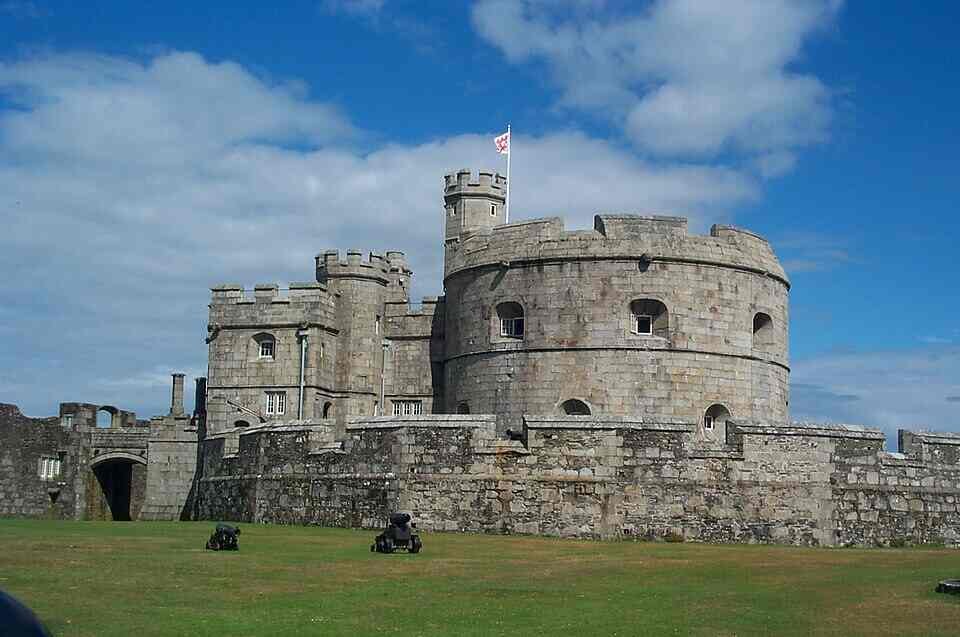
Pendennis Castle stands as one of Henry VIII’s most formidable coastal fortifications, commanding the entrance to the Carrick Roads and Falmouth Harbour from its dramatic clifftop position. Pendennis Castle and St Mawes Castle are two of Henry VIII’s coastal defence forts, known as ‘device forts’, built on the shores of the Fal estuary between 1539 and 1547. This remarkable fortress represents the evolution of military architecture from medieval castles to artillery-age defences.
The strategic defensive importance of Pendennis Castle cannot be overstated. Positioned to guard one of Britain’s finest natural harbours, the castle formed part of Henry VIII’s comprehensive coastal defense program designed to repel potential French and Spanish invasions. The elevated position provides commanding fields of fire across the approaches to Falmouth, making it virtually impossible for enemy ships to enter undetected.
Construction began in 1540 as part of Henry VIII’s massive fortification program following his break with Rome. The innovative design incorporated the latest continental military engineering, featuring curved walls and angled bastions specifically designed to deflect cannon fire. This marked a revolutionary departure from traditional medieval castle architecture.
The castle’s unique architectural design demonstrates Renaissance military engineering principles adapted to English coastal defence requirements. The central keep, surrounded by lower gun platforms and outer earthworks, created multiple lines of defence while maximizing artillery effectiveness. The geometric layout reflects mathematical precision in military architecture.
Pendennis Castle’s role during the English Civil War established its reputation as one of Britain’s most resilient fortresses. The five-month siege of 1646 saw Royalist defenders under Colonel John Arundell withstand Parliamentary forces until starvation forced surrender. This heroic resistance earned the castle the motto ‘Semper Fidelis’ (Always Faithful).
Military technology evolution is clearly visible throughout Pendennis Castle’s defensive arrangements. From Tudor cannon positions to Victorian rifle galleries and World War artillery emplacements, the fortress adapted to changing military threats over four centuries. Each period’s modifications tell the story of advancing military technology.
The castle served as a crucial defence installation during both World Wars, with extensive underground tunnels and command centres controlling harbour defences. These 20th-century additions demonstrate how historic fortifications continued serving military purposes through modern conflicts, adapting ancient defensive positions to contemporary warfare.
The Half Moon Battery and Hornworks represent some of the finest examples of Tudor artillery fortification in Britain. These outer defenses, added in the 1590s to counter Spanish invasion threats, showcase the rapid evolution of military architecture during the artillery revolution. Their design influenced fortress construction throughout the British Empire.
An interesting historical fact involves Pendennis Castle’s connection to maritime exploration. Sir Walter Raleigh used Falmouth harbor as a base for his expeditions, and many vessels departing for the New World received their final supplies and preparations under the protection of Pendennis Castle’s guns.
Frequently Asked Questions About Pendennis Castle
What are Pendennis Castle opening hours?
Open daily, 10am – 5pm (last entry at 4pm). The castle operates year-round with seasonal variations, so check the official English Heritage website for current opening times and any special closures.
How much does Pendennis Castle cost?
English Heritage members enjoy free entry. Non-members pay standard admission fees with family tickets and group discounts available. Annual memberships often provide better value for multiple English Heritage site visits.
Is Pendennis Castle good for families?
Yes, Pendennis Castle offers excellent family activities including interactive exhibits, outdoor exploration, and spectacular views. Collect your Taskmaster score card and complete your tasks adds fun challenges for children and adults throughout the castle.
Can you see St Mawes Castle from Pendennis?
Yes, Pendennis Castle provides excellent views across the Fal estuary to its sister fortress St Mawes Castle. The two castles were designed to work together, with overlapping fields of fire protecting the harbor entrance.
What exhibitions are at Pendennis Castle?
The castle features permanent exhibitions on Tudor coastal defence, Civil War siege history, and World War military operations. Interactive displays, historical artifacts, and multimedia presentations bring four centuries of military history to life.
How long should I spend at Pendennis Castle?
Plan 2-3 hours for a comprehensive visit including the keep, gun batteries, underground tunnels, and grounds. The extensive site rewards thorough exploration, and the views alone justify extended time.
Is there parking at Pendennis Castle?
Free parking is available on-site for visitors. The car park provides easy access to the castle entrance and visitor facilities. Spaces can be limited during peak summer periods and special events.
Nearby Defence Heritage Sites of Interest
| Site Name | Type | Distance (miles) |
|---|---|---|
| St Mawes Castle | 16th-century coastal artillery fortification | 1.21 |
| St Anthony Head | 19th-century coastal artillery battery | 3 |
| Tintagel Castle | Medieval coastal castle ruins | 18 |
| St Catherine’s Castle | 16th-century coastal artillery fortification | 21.69 |
| Polruan Old Battery | 19th-century coastal artillery battery | 22 |
| Restormel Castle | 13th-century shell-keep castle ruin | 27 |
Image credit: Willhsmit
Share
See on the Map
Contact Info
- 01326 316594
- www.english-heritage.org.uk/visit/places/pendennis-castle
- Castle Drive, Falmouth TR11 4LP, Cornwall