
Walmer Castle and Gardens
Features
Description
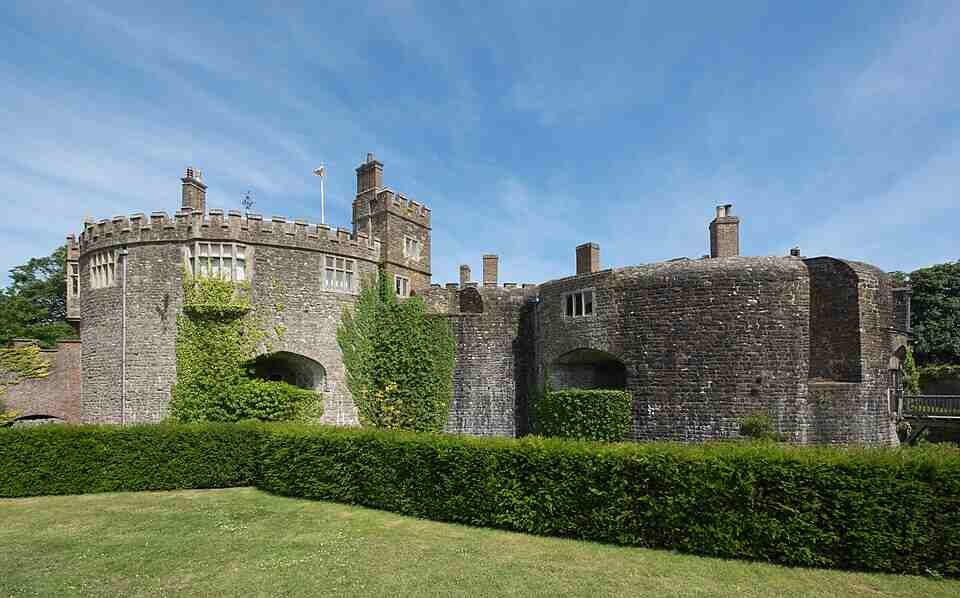
Walmer Castle and Gardens represents one of England’s most remarkable transformations, evolving from a formidable Tudor artillery fortress built by Henry VIII in 1539-1540 into an elegant stately home serving as the official residence of the Lord Warden of the Cinque Ports.
Perched on the picturesque Kent coastline near Deal, this unique heritage site combines military history with domestic refinement, surrounded by eight acres of award-winning gardens that showcase horticultural excellence spanning centuries. The castle’s illustrious residents, including the Duke of Wellington and Queen Elizabeth the Queen Mother, have left indelible marks on this extraordinary property.
The strategic defensive importance of Walmer Castle stemmed from its role within Henry VIII’s Device Fort programme protecting England against invasion threats from Catholic France and the Holy Roman Empire following the King’s break with Rome. Built simultaneously with Deal and Sandown Castles, Walmer defended the strategically vital Downs anchorage, the sheltered water between the Goodwin Sands and coast where naval fleets gathered.
Comprising a central keep with four circular bastions arranged in a quatrefoil pattern, the castle featured 39 artillery firing positions across upper levels, creating devastating defensive firepower covering beach approaches and anchorage waters.
The castle’s architectural design exemplified Renaissance military engineering adapted for gunpowder artillery. The compact layout, covering 0.61 acres, concentrated maximum firepower within minimum perimeter while the low profile and thick walls resisted enemy bombardment.
The moated fortress remained operational throughout the 16th and 17th centuries, seeing action during the English Civil War when pro-Royalist insurgents seized Walmer in 1648, only retaken after several months of Parliamentary siege operations.
The transformation from fortress to residence began in the 18th century when Walmer became the official residence of the Lord Warden of the Cinque Ports, an ancient honorary position with ceremonial and judicial responsibilities overseeing the confederation of maritime towns that historically provided ships and men for royal naval service. This conversion from military installation to comfortable residence required extensive modifications softening martial architecture while maintaining historic character.
The Duke of Wellington, Britain’s greatest military hero, served as Lord Warden from 1829 until his death at Walmer Castle on 14 September 1852. Wellington’s 23-year tenure left profound impressions on the property, with his simply furnished bedroom preserved exactly as it appeared on his death day. The room’s spartan character, featuring the famous campaign chair where Wellington died, reflects the Iron Duke’s austere military temperament unchanged despite his elevation to aristocratic grandeur. His original Wellington boots, the footwear style he popularized, remain on display as iconic artifacts connecting visitors to this legendary figure.
Queen Elizabeth the Queen Mother, Lord Warden from 1978 until 2002, brought elegance and warmth during her 24-year tenure. Her reception rooms, beautifully decorated with personal possessions and photographs, provide intimate glimpses into royal domestic life. The Queen Mother loved Walmer, regularly hosting family and friends within its historic walls. Her apartments, occasionally accessible when not occupied by the current Lord Warden, reveal royal lifestyle balancing public duties with private enjoyment.
The eight acres of magnificent gardens represent one of Walmer Castle’s greatest attractions, combining historic landscape design with contemporary horticultural innovation. The Broadwalk borders the moat with colorful herbaceous borders providing seasonal displays. The Kitchen Garden demonstrates traditional productive gardening with vegetables, fruit, and cut flowers. The Glen, a dramatic wooded dell, creates atmospheric contrast with formal areas. The Queen Mother’s Garden, designed during her tenure, features pastel planting schemes reflecting her personal taste. These gardens earn consistent horticultural awards recognizing their beauty and maintenance excellence.
The Lord Warden’s Tearoom provides refreshments within the historic setting, serving afternoon tea, light lunches, and homemade cakes using locally-sourced ingredients.
The Glasshouse Café offers additional seasonal refreshment opportunities. Both venues enhance visits by allowing guests to relax within beautiful surroundings while contemplating the castle’s remarkable history and gardens.
Educational programs bring Walmer’s history alive through costumed interpretation, living history events, and hands-on activities. School groups studying Tudor history, military architecture, or horticulture find comprehensive resources supporting curriculum requirements. The combination of fortress architecture, residential interiors, and stunning gardens provides unique multidisciplinary learning opportunities rarely available at single heritage sites.
An interesting historical fact involves the castle’s artillery never firing in anger against invasion forces. Despite being built specifically to repel French and Spanish attacks, the anticipated Catholic invasion never materialised. Walmer’s guns remained silent except during Civil War sieges, making this formidable fortress one of history’s great deterrents – its mere existence preventing the aggression it was designed to counter.
Visitor Reviews from the Web
Positive reviews consistently praise Walmer Castle’s unique combination of military heritage and elegant residential interiors. Visitors particularly enjoy seeing the Duke of Wellington’s death room with its campaign chair and original Wellington boots, describing these artifacts as deeply moving connections to British military history.
The Queen Mother’s apartments receive acclaim for their intimate royal atmosphere and beautiful decoration.
The eight acres of award-winning gardens earn universal praise, with many reviewers describing them as the highlight of their visit, particularly the colourful herbaceous borders, peaceful glen, and well-maintained kitchen garden.
The seafront location with coastal views adds scenic beauty. Staff and volunteers receive consistent praise for knowledge and friendliness. The tearoom’s quality food and pleasant setting enhance visits. Many describe Walmer as more intimate and charming than larger stately homes, with excellent value admission prices.
Negative aspects mentioned occasionally include limited opening times when the Lord Warden is in residence, potentially disappointing visitors hoping to see the Warden’s apartments.
Some reviews note the castle interior is relatively modest compared to grand country houses, though most acknowledge this reflects its military origins. Garden condition can vary seasonally, with spring and summer visits offering more impressive floral displays than autumn and winter.
Parking across the road requires road crossing and spaces fill quickly during peak periods. A few visitors find admission prices high for the size of the property, though most consider the gardens alone justify the cost.
Weather exposure in coastal gardens can make visits uncomfortable during wind and rain. Some reviewers note that without understanding the castle’s transition from fortress to residence, the architectural modifications may seem confusing.
Frequently Asked Questions About Walmer Castle and Gardens
What are Walmer Castle and Gardens opening hours?
Summer (April-September): Daily 10am-6pm. Winter (October-March): Daily 10am-5pm. Last admission 30 minutes before closing. The Lord Warden’s apartments may be closed when the Warden is in residence. Check English Heritage website for current opening times and apartment accessibility before visiting.
How much does Walmer Castle and Gardens cost?
English Heritage members enjoy free entry. Non-members pay standard admission with adult tickets typically £10-16, children reduced rates, family tickets available. Online booking provides discounts. The combination of castle, apartments, and eight acres of gardens offers excellent value, particularly for garden enthusiasts.
Can you see where Duke of Wellington died?
Yes, the Duke of Wellington’s simply furnished bedroom is preserved exactly as it appeared when he died on 14 September 1852. The room features the campaign chair where he passed away and his original Wellington boots. This poignant space provides intimate connection to Britain’s greatest military hero.
Are the Queen Mother’s rooms open?
The Queen Mother’s reception rooms are occasionally accessible to visitors when the current Lord Warden is not in residence. Availability varies, so check with staff on arrival or contact English Heritage before visiting. When open, these beautifully decorated apartments provide fascinating insights into royal domestic life.
What gardens are at Walmer Castle?
Eight acres of award-winning gardens including the Broadwalk herbaceous borders, productive Kitchen Garden, dramatic wooded Glen, Queen Mother’s Garden with pastel planting, and moat-side walks. The gardens provide year-round interest with seasonal highlights including spring bulbs, summer flowers, and autumn colors.
Where can I park at Walmer Castle?
Car park located across the road from the castle entrance. Pay-and-display charges apply. Spaces can be limited during peak summer periods and weekends, so arrive early. Additional parking available in Deal town center, approximately 10-15 minutes’ walk from the castle.
How long should I spend at Walmer Castle and Gardens?
Plan 2-3 hours minimum for comprehensive exploration of castle interiors and gardens. Garden enthusiasts often spend longer enjoying the eight acres of beautiful landscapes. Combine with visiting nearby Deal Castle (another Device Fort) for a full day exploring Henry VIII’s coastal defenses and their remarkable evolution.
Nearby Defence Heritage Sites of Interest
| Site Name | Type | Distance (miles) |
|---|---|---|
| Deal Castle | Tudor concentric artillery fort | 1 |
| Sandown Castle (remains) | Tudor artillery fort (ruined) | 2 |
| Richborough Roman Fort | Roman Saxon Shore fort and amphitheatre | 6 |
| Dover Castle | Medieval fortress with WWII tunnels and Cold War command centre | 7 |
| RAF Manston History Museum | Aviation museum with Cold War and WWII exhibits | 14 |
| Spitfire and Hurricane Memorial Museum | WWII aviation museum | 14 |
| Ramsgate Tunnels | WWII civilian and military underground shelter | 15 |
| RAF Swingate (remains) | WWII radar and Cold War communications site | 16 |
| Fort Burgoyne | Victorian fortification with Napoleonic origins | 17 |
| The Powell-Cotton Museum | Includes military ethnography and colonial history | 18 |
Image credit: DeFacto
Share
See on the Map
Contact Info
- 01304 364288
- www.english-heritage.org.uk/visit/places/walmer-castle-and-gardens
- Kingsdown Road, Walmer, Deal, Kent CT14 7LJ, England