
1066 Battle of Hastings, Abbey and Battlefield
Features
Description
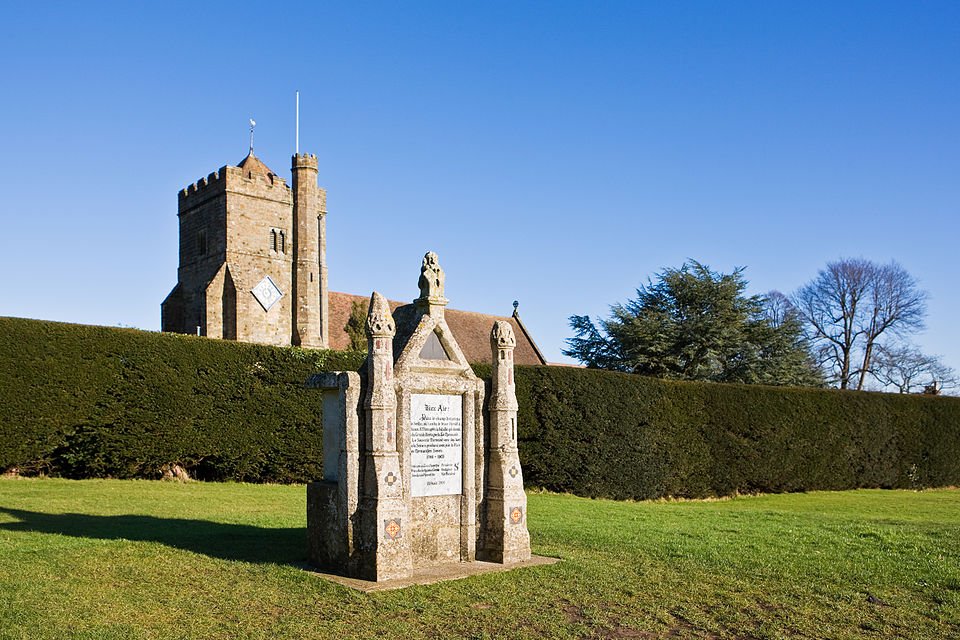
The 1066 Battle of Hastings, Abbey and Battlefield stands as one of England’s most significant historical sites, marking the pivotal moment that changed English history forever. Located in East Sussex, this remarkable destination offers visitors an immersive journey through the events of October 14, 1066, when William the Conqueror’s Norman forces decisively defeated King Harold’s Anglo-Saxon army.
The site’s strategic importance in medieval warfare cannot be overstated. The Battle of Hastings represented a masterclass in military tactics, with the Normans employing innovative cavalry charges and feigned retreats against the English shield wall formation. The battlefield’s elevated position provided tactical advantages, allowing Harold’s forces to initially hold the high ground before ultimately succumbing to Norman military superiority.
At the heart of the site lies Battle Abbey, founded by William the Conqueror in 1070 as penance for the bloodshed. According to tradition, the high altar was built on the exact spot where King Harold fell, pierced by an arrow to the eye. This sacred ground became a Benedictine monastery, serving as both a place of worship and a symbol of Norman conquest.
The modern visitor experience begins in the award-winning visitor centre, featuring interactive displays that bring the 1066 Battle of Hastings to life through multimedia presentations. The centre houses an extensive exhibition covering Norman and Anglo-Saxon warfare, medieval weapons, and the social transformation of England following the conquest. A specially commissioned film recreates the battle’s dramatic events, while archaeological finds including medieval pottery, coins, and weaponry provide tangible connections to the past.
The battlefield audio tour guides visitors across the historic terrain where English and Norman forces clashed. Dramatic wooden sculptures positioned throughout the battlefield mark key moments of the engagement, from the initial Norman advance to Harold’s final stand. The trail reveals how medieval military tactics evolved, showcasing the transition from traditional Anglo-Saxon infantry formations to the combined arms approach that would dominate European warfare.
Within the abbey ruins, visitors explore the remains of the medieval monastery that once housed Benedictine monks for over 400 years. The impressive gatehouse, dating from the 14th century, now serves as a museum displaying artefacts recovered from archaeological excavations. Climbing to the gatehouse rooftop rewards visitors with panoramic views across the Sussex countryside, offering the same vantage point that medieval sentries once used to watch for approaching threats.
The site’s defensive significance extended beyond the original battle. The abbey’s substantial walls and strategic position made it a formidable stronghold during subsequent conflicts. During the medieval period, the abbey controlled vast estates and wielded considerable political influence, functioning as both spiritual centre and defensive installation.
Children and families particularly enjoy the historically-themed playground, designed to reflect medieval castle architecture while providing modern play equipment. The Victorian walled garden offers peaceful respite, showcasing period-appropriate plants and landscaping techniques used by the abbey’s inhabitants.
Archaeological evidence suggests the battle lasted from morning until dusk, with casualty rates among the nobility reaching unprecedented levels for medieval warfare.
The site’s educational programmes cater to school groups studying medieval history, Norman conquest, and military archaeology. Living history demonstrations throughout the year feature authentic medieval combat techniques, weaponry displays, and period costumes that illuminate daily life in 1066. These events provide unique insights into Norman military organisation and Anglo-Saxon resistance strategies.
The comprehensive gift shop offers historical books, replica medieval items, and educational materials focusing on the Norman conquest. The on-site café serves refreshments in a building that incorporates stones from the original abbey, maintaining the site’s authentic medieval atmosphere.
For military history enthusiasts, the 1066 Battle of Hastings represents a watershed moment in European warfare, demonstrating how technological innovation, tactical flexibility, and strategic planning could overcome numerical disadvantage and defensive positions. The site continues to serve as a case study in medieval military science and political transformation.
Visiting this UNESCO-protected site provides unparalleled access to one of history’s most consequential battles, offering both scholarly insight and family entertainment within a setting that has remained largely unchanged since that fateful day in 1066 when England’s destiny was decided on this very battlefield.
Other Defence Heritage Sites of Interest Nearby
| Site Name | Type | Distance (miles) |
|---|---|---|
| Hastings Castle | Norman cliff-top keep ruins | 6 |
| Battle of Britain bunker remains around Hastings | WWII underground command bunkers | 7 |
| Martello towers (Pett Level & Winchelsea Beach) | Coastal defensive artillery towers | 8–10 |
| Pevensey Castle | Saxon Shore fort & medieval castle | 9 |
| WWII pillboxes & gun emplacements at Camber Sands | WWII coastal defences | 11 |
| Camber Castle | 16th-century Tudor artillery fort | 11 |
| Rye Harbour wartime defences | WWII anti-aircraft positions | 12 |
| Bodiam Castle | 14th-century moated castle | 12 |
| Bayham Old Abbey’s fortified precinct | 14th-century fortified earthworks | 14 |
| Eastbourne Redoubt Fortress | Napoleonic fortress | 15 |
| Lashenden Air Warfare Museum | Aviation museum (WWI & WWII aircraft) | 16 |
| Lewes Castle | 11th-century circular keep | 21 |
| Herstmonceux Castle | 15th-century moated manor | 22 |
| Arundel Castle | Medieval fortress & restored keep | 28 |
| Amberley Castle | Gothic-revival manor fortress | 28 |
Image credit: WyrdLight.com
Share
See on the Map
Contact Info
- 0370 333 1181
- www.english-heritage.org.uk/visit/places/1066-battle-of-hastings-abbey-and-battlefield
- High Street, Battle, East Sussex TN33 0AE, United Kingdom