
Conisbrough Castle
Features
Description
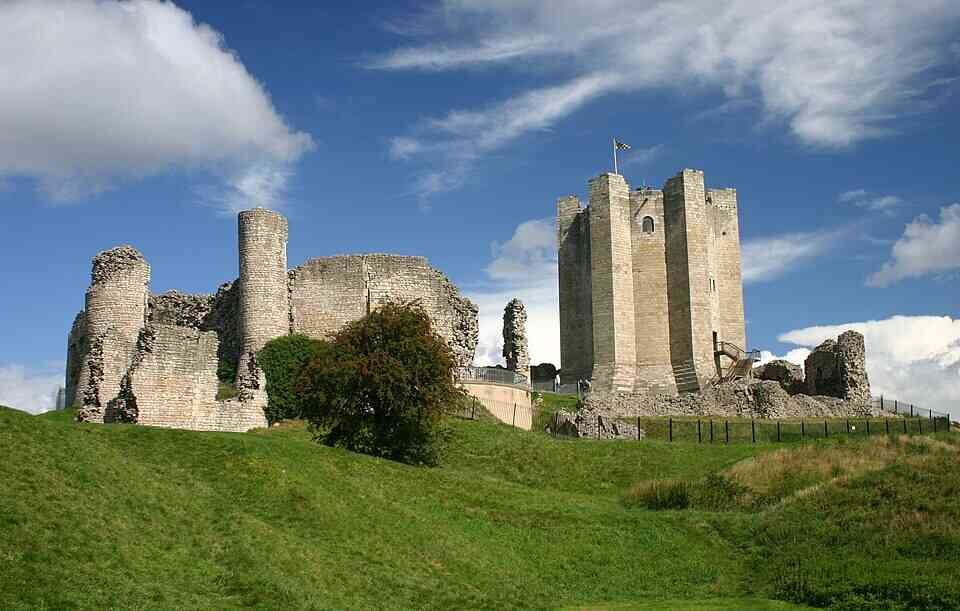
Conisbrough Castle stands as one of South Yorkshire’s most striking landmarks, featuring the oldest and finest circular stone keep in England. Built in the 1180s by Hamelin Plantagenet, half-brother of King Henry II, this architectural masterpiece represents one of the finest examples of late Norman defensive architecture, with its unique design of six massive wedge-shaped buttresses radiating from a cylindrical tower creating an instantly recognizable silhouette that has dominated the Don Valley for over 840 years.
The strategic defensive importance of Conisbrough Castle stemmed from its commanding position overlooking the River Don and controlling routes through South Yorkshire. The elevated site provided excellent visibility across the surrounding countryside while the steep hillside offered natural protection. The castle’s position made it crucial for controlling the region during the turbulent medieval period when Yorkshire was frequently contested by rival nobles and threatened by Scottish raids.
The castle’s architectural design represents revolutionary innovation in medieval military engineering. The circular keep, standing over 90 feet high with walls more than 15 feet thick, demonstrates advanced understanding of defensive architecture. The six massive buttresses not only provided structural strength but also created projecting towers allowing defenders to provide flanking fire along the walls. This unique design is unparalleled in England, making Conisbrough an architectural gem of international significance.
The keep’s interior arrangement showcased both defensive sophistication and residential comfort. Four floors accommodated garrison quarters, storage, a magnificent main chamber for entertaining, and a private chamber for the lord. The chapel, tucked within one of the buttresses, provided spiritual services while maintaining defensive integrity. Fireplaces, latrines, and carefully positioned windows demonstrated how medieval builders balanced military requirements with aristocratic lifestyle expectations.
Hamelin Plantagenet’s construction of Conisbrough reflected his elevated social status as a major lord connected to the royal family. Although historians debate whether the design prioritised military strength or symbolic display, the keep undeniably projected power and prestige. Its innovative architecture demonstrated Hamelin’s access to the latest continental military thinking and his resources to implement advanced engineering on a monumental scale.
The castle’s literary fame stems from Sir Walter Scott’s 1819 novel Ivanhoe, which used Conisbrough as the setting for Athelstane of Coningsburgh’s castle. Scott’s romantic depiction transformed the ruins into one of England’s most famous literary landmarks, attracting Victorian tourists seeking the world of knights and Saxon nobility. This literary connection continues to enhance Conisbrough’s appeal, demonstrating how literature preserves and popularises historical sites.
The castle’s decline began in the 14th century when the property fell into disrepair, its outer walls badly affected by subsidence caused by underlying coal deposits. Its derelict state paradoxically saved Conisbrough from involvement in the English Civil War, as Parliamentary forces saw no military value in the ruins. This abandonment, while unfortunate for the medieval structure, preserved the magnificent keep from deliberate destruction.
Modern conservation began when the state assumed management in 1950, though major improvements awaited a three-way partnership between English Heritage, Doncaster Council, and Ivanhoe Trust in the 1990s. Comprehensive restoration created excellent visitor facilities including interactive exhibitions explaining the castle’s construction, medieval life, and literary connections. The visitor centre provides context for understanding Conisbrough’s architectural significance and historical importance.
The surrounding parkland offers panoramic views over the former hunting landscape, creating a picturesque setting that enhances the castle experience. Educational programs bring medieval history alive through hands-on activities, while seasonal events including reenactments and medieval fairs transport visitors to the age of knights and castles.
An interesting historical fact involves the castle’s unique structural challenges. The underlying coal measures and limestone geology cause ongoing subsidence issues, requiring constant monitoring and conservation work. This geological instability, which contributed to medieval deterioration, continues to present engineering challenges, making Conisbrough’s survival over eight centuries even more remarkable.
Frequently Asked Questions About Conisbrough Castle
What are Conisbrough Castle opening hours?
April-September: Daily 10am-6pm. October: Daily 10am-5pm. November-March: Saturday-Sunday only 10am-4pm. Closed December 24-26. Last admission 30 minutes before closing. Opening times vary seasonally, so check English Heritage website before visiting.
How much does Conisbrough Castle cost?
English Heritage members enjoy free entry. Non-members pay standard admission with adult tickets typically £8-10, children reduced rates, family tickets available. Online booking until midnight before visit provides discounts compared to gate prices.
What makes Conisbrough Castle unique?
Conisbrough features the oldest and finest circular stone keep in England, with six massive wedge-shaped buttresses creating a design unparalleled in English castle architecture. It is considered an architectural gem and one of the finest examples of late Norman defensive architecture.
Is Conisbrough Castle the Ivanhoe castle?
Yes, Sir Walter Scott used Conisbrough Castle as the setting for Athelstane of Coningsburgh’s castle in his famous 1819 novel Ivanhoe. This literary connection made the castle internationally famous and continues to attract visitors interested in literary heritage.
Can you climb Conisbrough Castle keep?
Yes, visitors can explore the magnificent keep’s four floors, experiencing medieval chambers, the chapel within the buttress, and climbing to enjoy panoramic views across the Don Valley and surrounding Yorkshire countryside.
Where can I park at Conisbrough Castle?
Free parking available in the dedicated car park at the castle entrance. The car park provides convenient access to the visitor centre and castle grounds, with adequate spaces for regular visitors though capacity may be limited during peak periods.
Is Conisbrough Castle suitable for families?
Yes, it’s an excellent family destination with interactive exhibitions, hands-on medieval activities, and extensive parkland for exploration. Children enjoy climbing the unique circular keep and learning about knights, castles, and the Ivanhoe story through engaging displays.
Nearby Defence Heritage Sites of Interest
| Site Name | Type | Distance (miles) |
|---|---|---|
| Doncaster Museum and Art Gallery — Military displays | Local military collections and exhibits | 2 |
| Pontefract Castle | Medieval castle and keep | 11 |
| Sandal Castle | Medieval motte-and-bailey / fort earthworks | 12 |
| Clifford’s Tower (York) | Norman castle keep and city fortification | 18 |
| Yorkshire Air Museum (Elvington) | Aviation / military aircraft museum | 22 |
| Fort Paull | Napoleonic to 20th-century coastal fort and military museum | 28 |
| Scarborough Castle | Medieval coastal fortress and gun batteries | 30 |
Image credit: Rob Bendall
Share
See on the Map
Contact Info
- 01709 863329
- www.english-heritage.org.uk/visit/places/conisbrough-castle
- Castle Hill, Conisbrough, Doncaster, South Yorkshire DN12 3BU, England