
Cawdor Castle
Features
Description
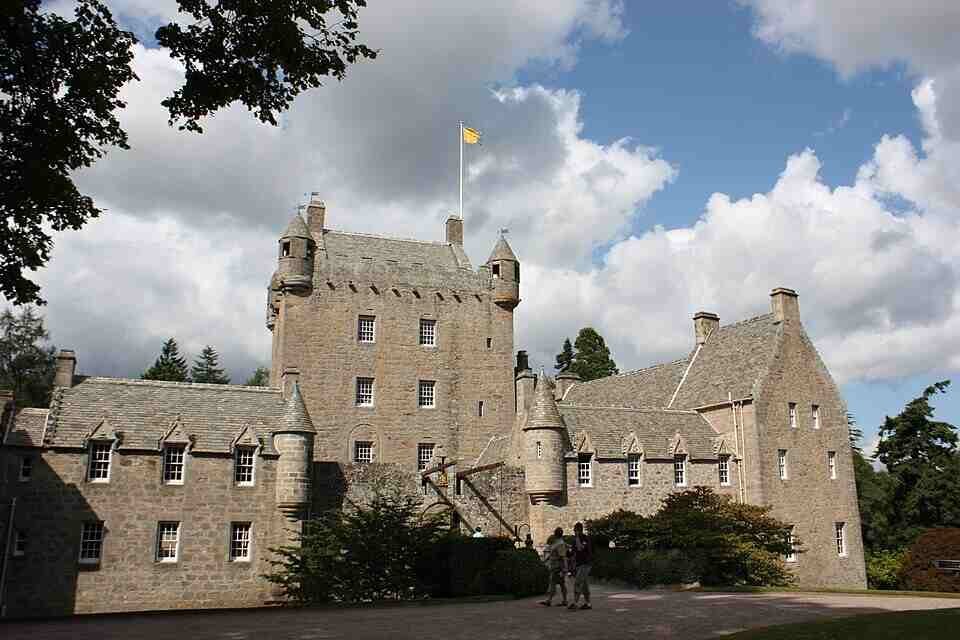
Cawdor Castle stands as one of Scotland’s most enchanting and historically significant fortifications, immortalized in literature through its association with Shakespeare’s Macbeth. Located near Nairn in the Scottish Highlands, this magnificent castle has served as the ancestral home of the Campbells of Cawdor since the 14th century, representing nearly 700 years of continuous family occupation and Highland heritage.
The castle’s strategic importance in Highland defence stems from its position controlling access routes through northeastern Scotland. Built initially as a defensive tower house around 1372, Cawdor Castle evolved into a formidable stronghold that protected Campbell territorial interests and served as a centre of political power in the region.
The original keep, constructed under license from King Robert II, exemplifies medieval Scottish defensive architecture. The massive stone tower, with walls up to six feet thick, provided security against clan warfare and political upheaval that characterised medieval Highland society. The elevated position offered commanding views across the surrounding countryside, enabling early detection of approaching threats.
Cawdor Castle’s architectural evolution demonstrates the transition from purely defensive fortress to comfortable family residence. Successive generations of Campbells added wings, courtyards, and decorative elements while maintaining the castle’s defensive capabilities. This organic development created the complex of buildings visible today, spanning architectural styles from medieval to 17th century.
The castle’s interior houses an extraordinary collection of historical artifacts, furniture, and artwork accumulated over six centuries of family occupation. Notable features include the medieval great hall with its impressive hammer-beam ceiling, ancient tapestries depicting clan history, and period furniture showcasing Scottish craftsmanship from various eras.
The famous Thorn Tree, around which legend claims the original castle was built, remains a central feature of the structure. According to tradition, the first Earl of Cawdor was instructed in a dream to build his castle where his donkey stopped to rest, which occurred beneath this ancient hawthorn tree, now preserved within the castle walls.
Literary significance adds another dimension to Cawdor Castle’s appeal. Although Shakespeare’s attribution of Duncan’s murder to Cawdor is historically inaccurate, the dramatic association with Macbeth has made the castle famous worldwide. This connection illustrates how literature can enhance a location’s cultural significance beyond its historical facts.
The castle’s defensive features include murder holes, iron yett gates, and strategically positioned arrow slits that demonstrate medieval military engineering. The entrance arrangements, with multiple gates and enclosed courtyards, created killing fields where defenders could trap and eliminate attackers. These features represent sophisticated understanding of defensive warfare adapted to Highland conditions.
Three distinct gardens surround Cawdor Castle, each reflecting different periods and landscaping philosophies. The Flower Garden features traditional Scottish plants and herbs, the Wild Garden embraces natural Highland flora, and the Walled Garden demonstrates Victorian-era horticultural practices. These gardens provide insight into changing attitudes toward landscape design and botanical interests.
The castle’s role during the Jacobite period was complex, as the Campbells generally supported the Hanoverian government against Jacobite claims. This political stance influenced the castle’s fortification and its relationship with neighboring clans, many of whom supported the Stuart cause.
An interesting historical fact concerns the castle’s construction legend: radiocarbon dating of the Thorn Tree confirms it was indeed alive when the castle was built, lending credence to the traditional foundation story. This rare instance of legend aligning with scientific evidence adds authenticity to Cawdor’s historical narrative.
The Campbell clan’s military significance extended beyond their castle walls. As one of the most powerful Highland clans, they played crucial roles in Scottish politics, often serving as government agents in Highland affairs. Cawdor Castle served as a base for these political activities and military campaigns.
Modern visitor facilities at Cawdor Castle include guided tours, educational programs, and cultural events that bring Highland history to life. The castle hosts clan gatherings, Highland games, and historical reenactments that demonstrate traditional Scottish culture and military practices.
The castle’s extensive archives contain documents spanning centuries of Highland history, including clan records, land transactions, and correspondence that illuminate social and economic conditions in historical Scotland. These materials provide invaluable insights into Highland life beyond the battlefield.
For heritage enthusiasts and military historians, Cawdor Castle represents the perfect synthesis of defensive architecture, family history, and cultural significance. Its continuous occupation by the same family provides unique continuity in Scottish castle studies, while its literary associations demonstrate the power of storytelling in preserving historical memory.
Cawdor Castle FAQs
1. Is Cawdor Castle open to the public?
Yes. Cawdor Castle and Gardens operate as a visitor attraction with a seasonal opening; the 2025 season runs daily from 10:00–17:00 and tickets can be booked in advance or bought on arrival.
2. How do I book tickets and what are the admission options?
You can pre-book online through the castle’s ticketing partner or purchase tickets at the entrance kiosk on arrival; family day passes and single-entry tickets are available and booking confirmation is sent by email with a barcode for entry.
3. What facilities and attractions are available at Cawdor Castle?
Cawdor Castle offers guided castle tours, three distinct gardens, a courtyard café, a Highland shop, woodland walks in the Big Wood, and a 9‑hole golf course, making it a full-day heritage and leisure destination.
4. Is Cawdor Castle accessible and family friendly?
The gardens have accessible paths and facilities including an accessible toilet and ramped access to parts of the café and shop; however the historic interior has stairs and no lift, so first‑floor rooms are not fully wheelchair accessible—allow 1.5–2 hours for a typical visit.
5. Can I bring my dog and are there rules for pets on site?
Dogs are welcome in the grounds and gardens on a short lead and are not permitted inside the Castle; a designated dog‑walking area and guidance on responsible use are provided on site.
Nearby Defence Heritage Sites of Interest
| Site Name | Type | Distance (miles) |
|---|---|---|
| Spynie Palace | Episcopal fortified palace | 6 |
| Brodie Castle | 16th-century tower house | 8 |
| Duffus Castle | Medieval tower house | 9 |
| Inverness Castle | 19th-century castle on historic site | 11 |
| Fort George | 18th-century coastal artillery fort | 14 |
| RAF Kinloss (former RAF station) | Cold War / military airbase | 15 |
| Burghead Castle | Medieval castle ruins | 16 |
| RAF Lossiemouth Hardened Aircraft Shelters | Cold War–era aircraft shelters | 20 |
| Morayvia Aviation Museum | Military aviation museum | 22 |
| Urquhart Castle | Medieval lakeside fortress | 28 |
image credit: LeCardinal
Share
See on the Map
Contact Info
- +44 1667 404401
- www.cawdorcastle.com
- Cawdor Castle, Cawdor, Nairn IV12 5RD, Scotland