
Monmouth Castle
Features
Description
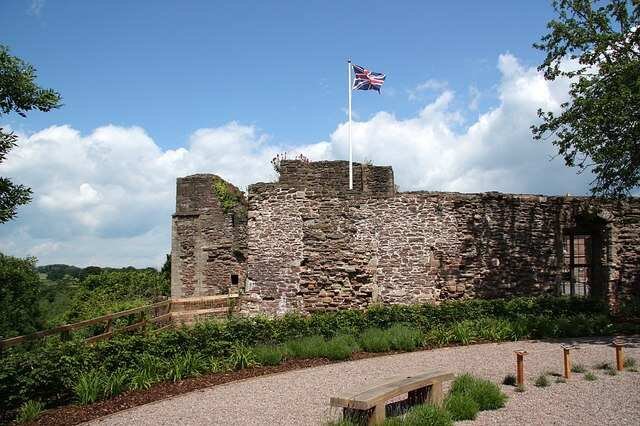
Monmouth Castle holds a unique place in British history as the birthplace of King Henry V, the legendary warrior-king who led England to its greatest medieval military triumph at the Battle of Agincourt in 1415. Strategically located at the crossings of the River Wye and River Monnow in the heart of the Welsh Marches, this once-formidable fortress now survives as evocative ruins comprising fragments of the 12th-century Great Tower and 13th-century hall.
The strategic defensive importance of Monmouth Castle cannot be overstated. Built by William FitzOsbern between 1066 and 1069 to serve as a strategic fortress guarding the border between England and Wales, the castle occupied a commanding position on a hill overlooking the River Monnow. The location at the confluence of two major rivers provided natural defensive advantages while controlling vital crossing points between England and Wales, making it essential for Norman conquest and subsequent English control over the Welsh Marches.
The castle’s architectural evolution began as an earth and timber ringwork, representing early Norman fortification techniques immediately following the 1066 conquest. William fitz Osbern, one of William the Conqueror’s most trusted companions, used the castle as a base to subdue the adjacent Welsh districts of Archenfield and Gwent. By the mid-14th century, successive rebuilding programs had transformed the wooden fortress into an impressive stone castle with great tower, extensive halls, and sophisticated defensive arrangements.
The most notable event in Monmouth Castle’s history occurred on 16 September 1387, when King Henry V of Battle of Agincourt fame was born within the Great Tower. This royal birth elevated Monmouth from important border fortress to nationally significant historical site. Henry’s subsequent military genius and legendary leadership at Agincourt in 1415 immortalized both the king and his birthplace in English national consciousness, an occasion still commemorated at Monmouth’s Agincourt Square.
The castle’s role throughout the medieval period extended beyond military considerations to encompass administrative and judicial functions. As a marcher lordship castle, Monmouth served as center of regional governance, where lords exercised quasi-royal powers including holding courts, collecting taxes, and maintaining military forces independent of direct royal control. This administrative significance made the castle crucial for managing the turbulent Welsh border region.
The English Civil War marked Monmouth Castle’s final military chapter and ultimate downfall. The fortress changed hands three times during the conflict between Royalist and Parliamentary forces, suffering significant damage during multiple sieges. Following Parliament’s final victory, the castle was deliberately slighted in 1647 to prevent future military use, resulting in partial collapse that created the romantic ruins visible today.
The site’s post-medieval history demonstrates adaptive reuse of historic fortifications. Great Castle House was built over the castle ruins in the late 17th century, incorporating surviving medieval structures into a substantial residence. This building became the headquarters and houses the Regimental Museum of the Royal Monmouthshire Royal Engineers (Militia), the senior regiment of the Reserve Army, creating continuity between medieval fortress and modern military heritage.
The Regimental Museum displays archaeological artifacts illustrating Monmouth’s earliest defenses, extensive material relating to Henry V and Agincourt, and comprehensive exhibits covering the Royal Monmouthshire Royal Engineers’ distinguished service history. Collections include mine clearance equipment, Home Front displays, women’s military roles, and material relating to HMS Monmouth, providing insights into military history from medieval warfare to contemporary operations.
An interesting historical fact involves Monmouth’s connection to the failed Monmouth Rebellion of 1685. James Scott, Duke of Monmouth, illegitimate son of Charles II, landed in England attempting to seize the throne from his uncle James II. Though bearing the town’s title, the Duke never controlled Monmouth Castle, and his rebellion ended in defeat at the Battle of Sedgemoor, followed by his execution and the brutal Bloody Assizes that punished his supporters.
Frequently Asked Questions About Monmouth Castle
What are Monmouth Castle opening hours?
The castle ruins are accessible as an open-air monument with free access during daylight hours year-round. The Royal Monmouthshire Royal Engineers Museum operates 2pm-5pm daily, offering free admission to extensive military history collections.
How much does Monmouth Castle cost?
Free admission to both the castle ruins and the Regimental Museum. The site is managed by Cadw as an open-access monument, while the museum operates as a free military heritage facility within Great Castle House.
Where was Henry V born?
King Henry V was born in Monmouth Castle’s Great Tower on 16 September 1387. The castle ruins include remains of this tower where England’s most famous medieval warrior-king entered the world, commemorated at nearby Agincourt Square.
Can you visit Monmouth Castle?
Yes, the castle ruins are freely accessible as an open monument. Visitors can explore the surviving fragments of the Great Tower and medieval hall, while the adjacent Regimental Museum provides comprehensive interpretation of the site’s history and military significance.
Where can I park for Monmouth Castle?
Public car parks available in Monmouth town centre including Glendower Street (pay and display), Monnow Street/Priory Street, and Castle Hill by the Iceland store. The castle is within easy walking distance of all town centre parking facilities.
What remains of Monmouth Castle today?
Only fragments of the once-extensive fortress survive, including ruins of the 12th-century Great Tower where Henry V was born and sections of the 13th-century great hall. Great Castle House, built over the ruins, now houses the Regimental Museum.
Is the Regimental Museum worth visiting?
Yes, the museum offers fascinating exhibits covering military history from archaeological evidence of Monmouth’s earliest defences through Henry V and Agincourt to the Royal Engineers’ distinguished service. Free admission makes it excellent value for history enthusiasts.
Nearby Defence Heritage Sites of Interest
| Site Name | Type | Distance (miles) |
|---|---|---|
| Skenfrith Castle | Norman motte-and-bailey / fortified site | 6 |
| Grosmont Castle | Medieval border castle | 7 |
| White Castle | Medieval border castle | 8 |
| Tintern Abbey (defensive earthworks) | Monastic site with defensive features | 8 |
| Chepstow Castle | Norman riverside artillery fort | 10 |
| Caldicot Castle | Norman castle and fortified manor | 11 |
| Raglan Castle | Late medieval / early modern fortress | 13 |
| Castell Coch | 19th-century Gothic revival castle | 24 |
| Caerphilly Castle | Large concentric medieval castle | 25 |
| Cardiff Castle | Norman/medieval castle on Roman site | 27 |
Image credit: Richard Croft
Share
See on the Map
Contact Info
- 01600 772175
- cadw.gov.wales/visit/places-to-visit/monmouth-castle
- Castle Hill, Monmouth, Monmouthshire NP25 3BS, Wales